Death Cafés: Talking About the One Thing We All Avoid

I’ve been asked a lot lately about Death Cafés. Having hosted a few – both online and in-person, I can attest to their cathartic effects. In a culture that often tiptoes around mortality, the idea of sitting in a room with strangers to talk openly about death might seem unusual—if not outright uncomfortable. Yet that’s exactly the point of Death Cafés. These informal gatherings have quietly spread across the world, offering people a space to discuss death without agenda, judgment, or expectation. What began as a small social experiment has grown into a global movement rooted in curiosity, reflection, and a desire to live more fully by acknowledging life’s inevitable end.
A Brief History
The origins of Death Cafés can be traced back to Switzerland in 2004, when sociologist Bernard Crettaz organized “Café Mortel” events. His goal was simple but radical: create a space where people could speak openly about death, a topic often avoided in everyday conversation. These gatherings proved surprisingly popular, suggesting a deep, unmet need for such dialogue.
The modern Death Café movement took shape in 2011, when UK web developer Jon Underwood, inspired by Crettaz’s work, hosted the first official Death Café in London. Alongside psychotherapist Sue Barsky Reid, Underwood developed a simple model that others could replicate. The idea quickly gained traction, spreading across Europe, North America, and beyond. Today, thousands of Death Cafés have been held in more than 80 countries.
What Is a Death Café?
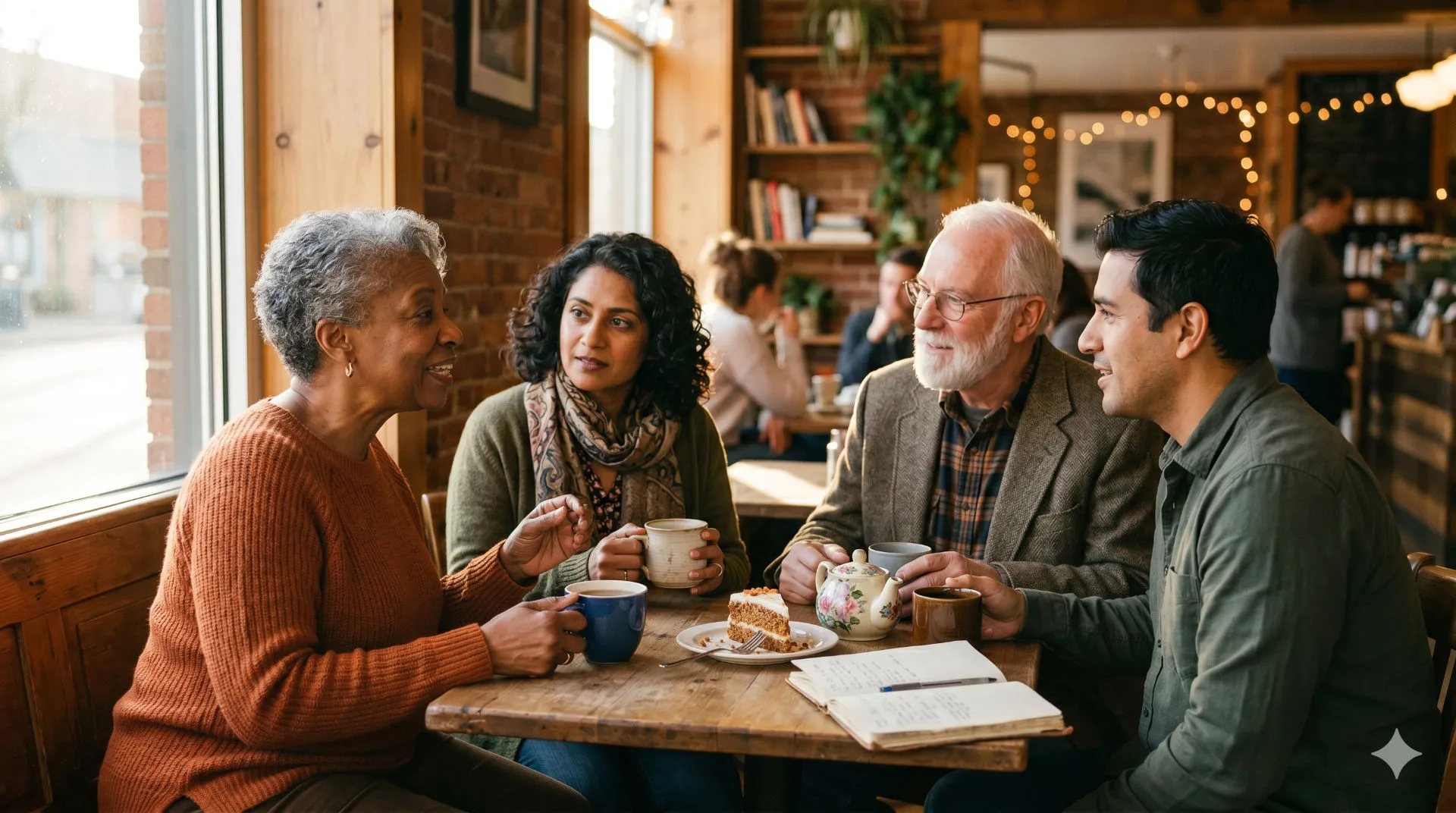
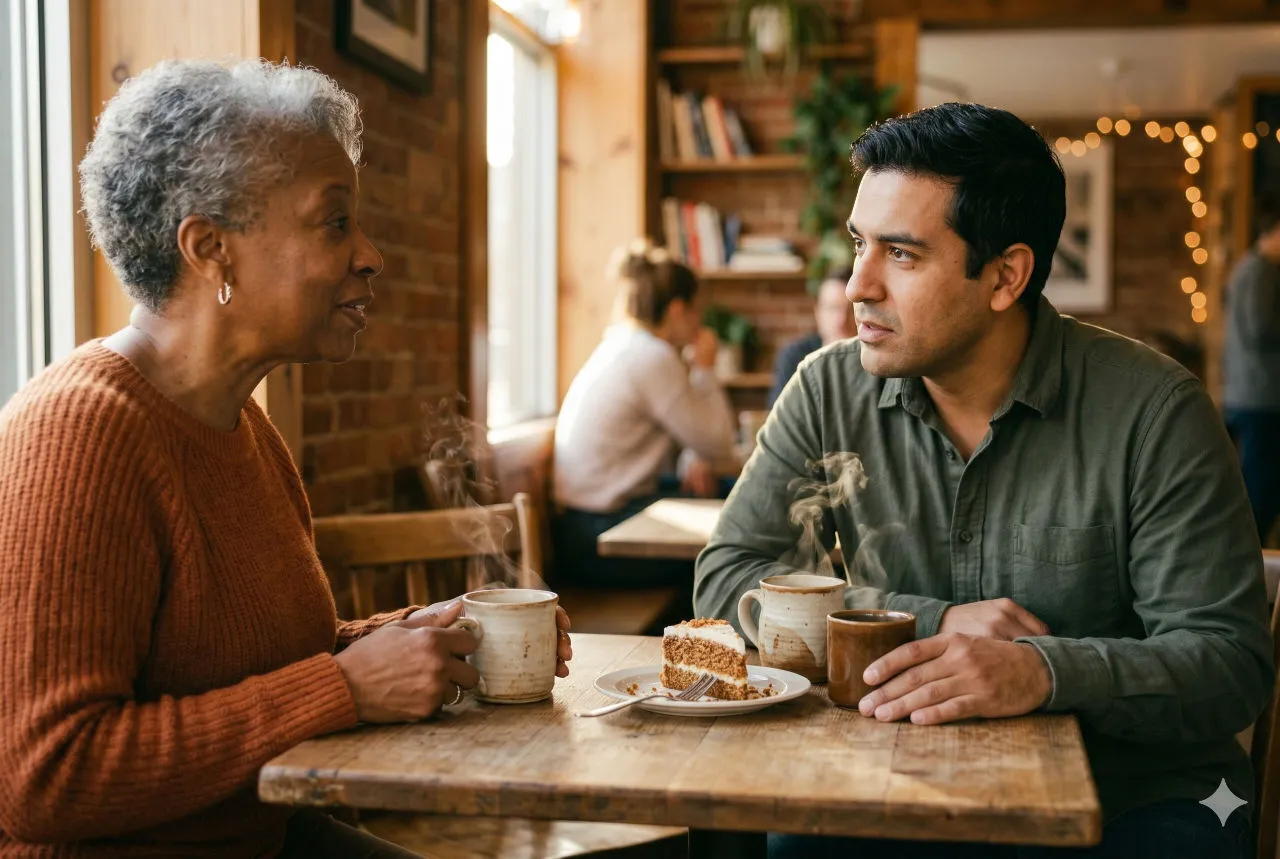
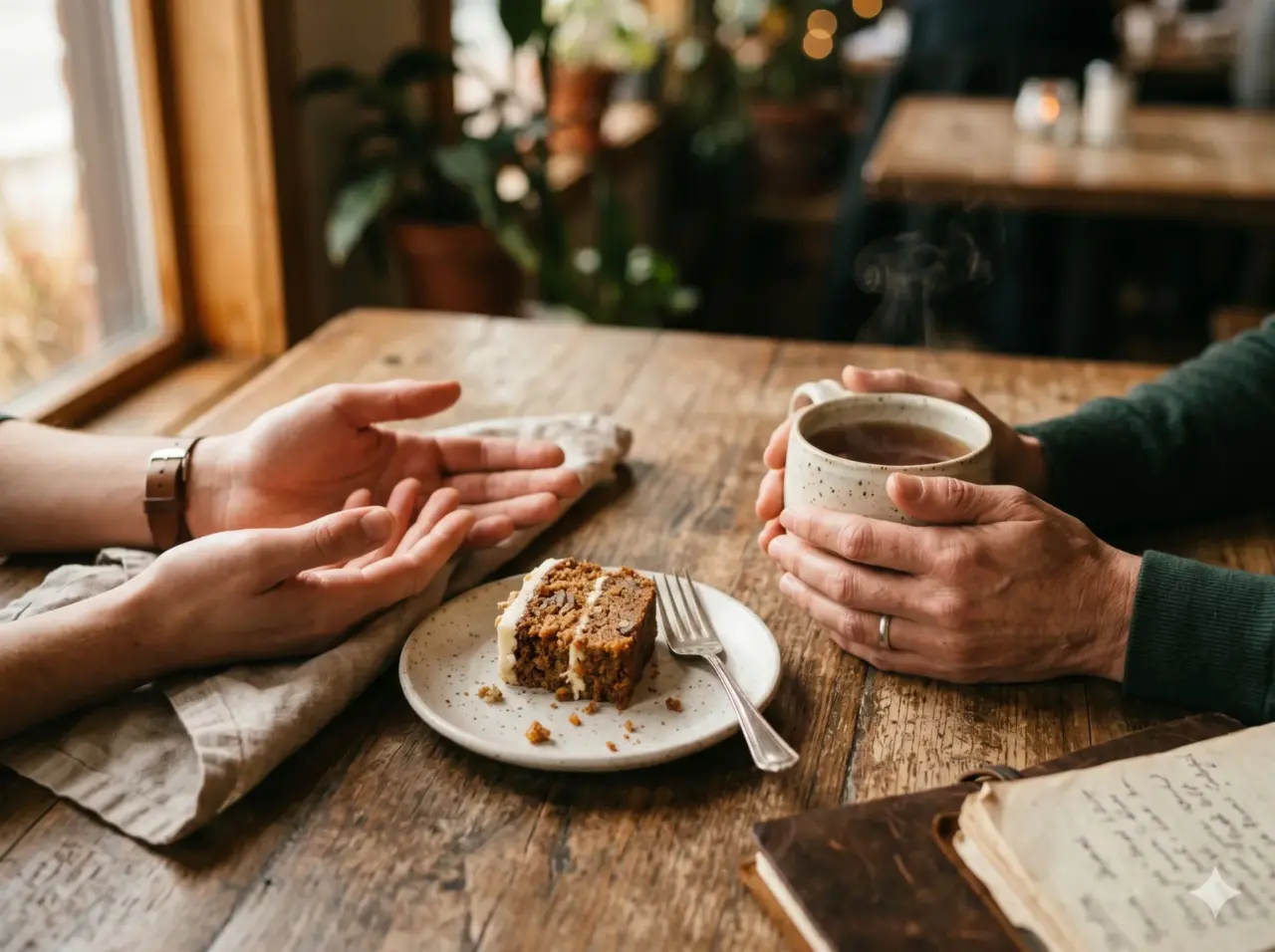
A Death Café is not a support group, counseling session, or grief workshop. It’s a discussion group with no set agenda, objectives, or themes. Participants—often strangers—gather in a relaxed setting, typically over tea, coffee, and cake, to talk about death in whatever way feels natural. Instead of imagining a group of people, sitting in a circle and taking turns speaking, imagine your favourite coffee shop full of people chatting over a beverage, but everyone in the coffee shop is talking about the same subject.
Conversations can range widely: fears about dying, cultural rituals, ethical dilemmas, personal experiences with loss, or even practical matters like wills and funerals. Some discussions are philosophical, others deeply personal, and many include moments of humor. The tone is open-ended and participant-driven.
The Purpose
At its core, the Death Café movement is guided by a simple mission: to increase awareness of death in order to help people make the most of their lives.
By normalizing conversations about death, these gatherings aim to:
- Reduce fear and stigma surrounding mortality
- Encourage reflection on personal values and priorities
- Foster a sense of connection through shared vulnerability
- Help people feel more prepared—emotionally and practically—for end-of-life realities
Rather than focusing on death itself as an endpoint, Death Cafés often lead participants to think more deeply about how they want to live.
Hosting a Death Café: Key Parameters
I really appreciate the framework for death cafes, as these principles ensure that no one at a death café is acting as an “expert”. The core principles of the death café model ensure that everyone is on a level playing field:
1. Non-profit and Accessible
Death Cafés must be offered on a not-for-profit basis. While hosts can ask for donations to cover costs (like venue or refreshments), the goal is accessibility, not revenue.
2. No Agenda or Formal Structure
There is no presentation, lecture, or predetermined topic. The conversation unfolds organically based on participants’ interests.
3. Safe and Respectful Environment
Hosts are responsible for creating a space where everyone feels comfortable sharing. This includes setting basic ground rules around respect, confidentiality, and listening.
4. Not a Therapy or Grief Support Session
While emotional topics often arise, Death Cafés are not a substitute for professional counseling. Hosts should make this distinction clear and be prepared to gently redirect if the conversation becomes too intense or clinical.
5. Refreshments Are Part of the Experience
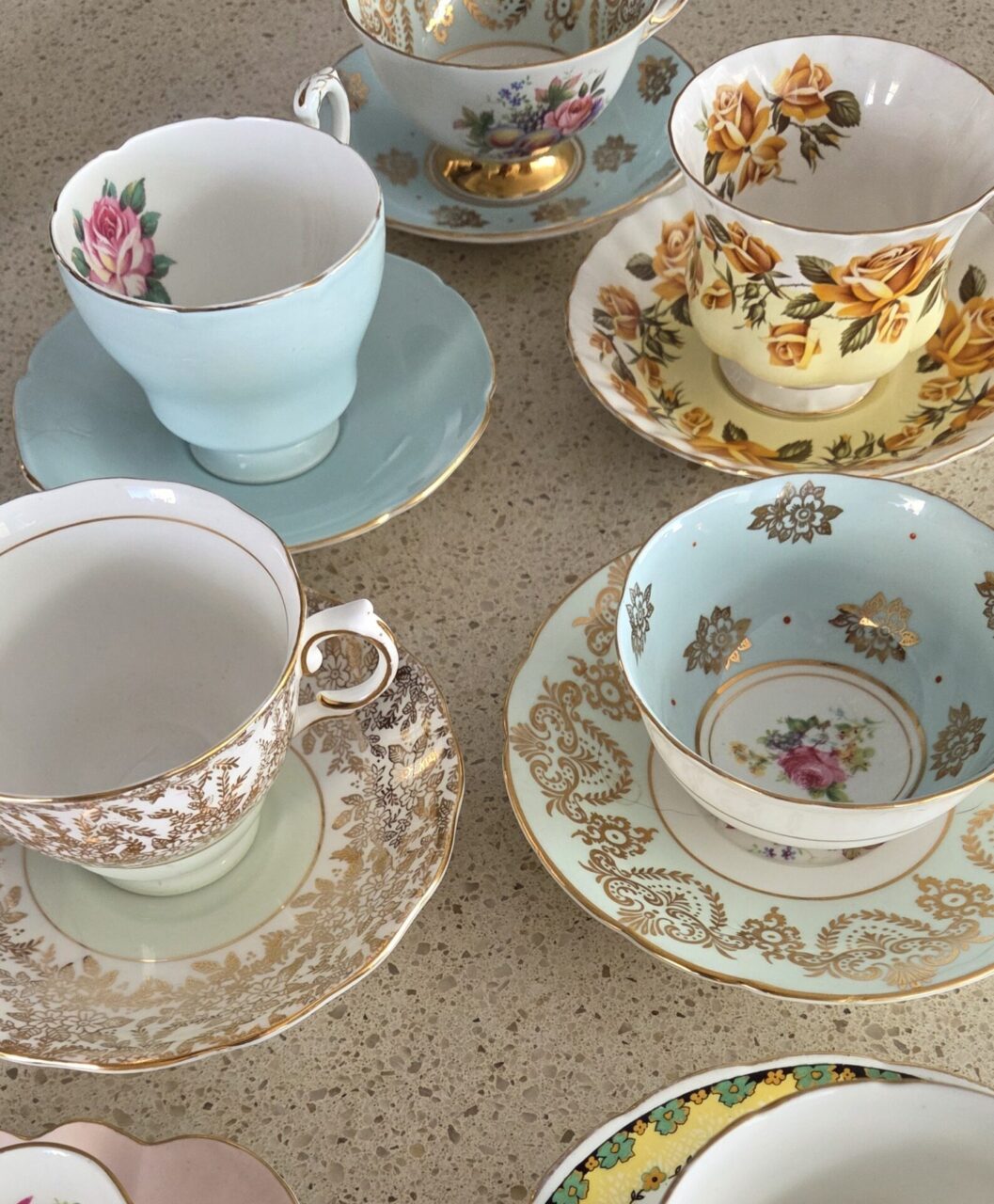
Food and drink—especially tea and cake—are a traditional and symbolic part of Death Cafés. They help create a welcoming, human atmosphere that softens the weight of the topic.
6. Open Participation
Anyone can attend, regardless of background or beliefs. Diversity of perspective is considered a strength.
Participating in a Death Café
If you’re considering attending a Death Café, it helps to know what to expect—and what’s expected of you.
- Come with curiosity, not expertise. You don’t need to have experienced loss or have strong opinions about death. Simply being open to conversation is enough.
- Share as much or as little as you like. There’s no pressure to speak; listening is equally valuable.
- Respect differing perspectives. Conversations may touch on religion, culture, ethics, and personal beliefs. Disagreement is natural, but respect is essential.
- Be mindful of the setting. Proselytizing about faith, selling services, or dominating the discussion are not permitted.
- Embrace the unpredictability. Some discussions may be light and humorous, others reflective or emotional. That range is part of the experience and there is space for all of it.
Why They Matter Now
In an era shaped by rapid change, global crises, and shifting social norms, conversations about mortality feel more relevant than ever. Many people are seeking ways to reconnect—with themselves, with others, and with the deeper questions that often go unasked.
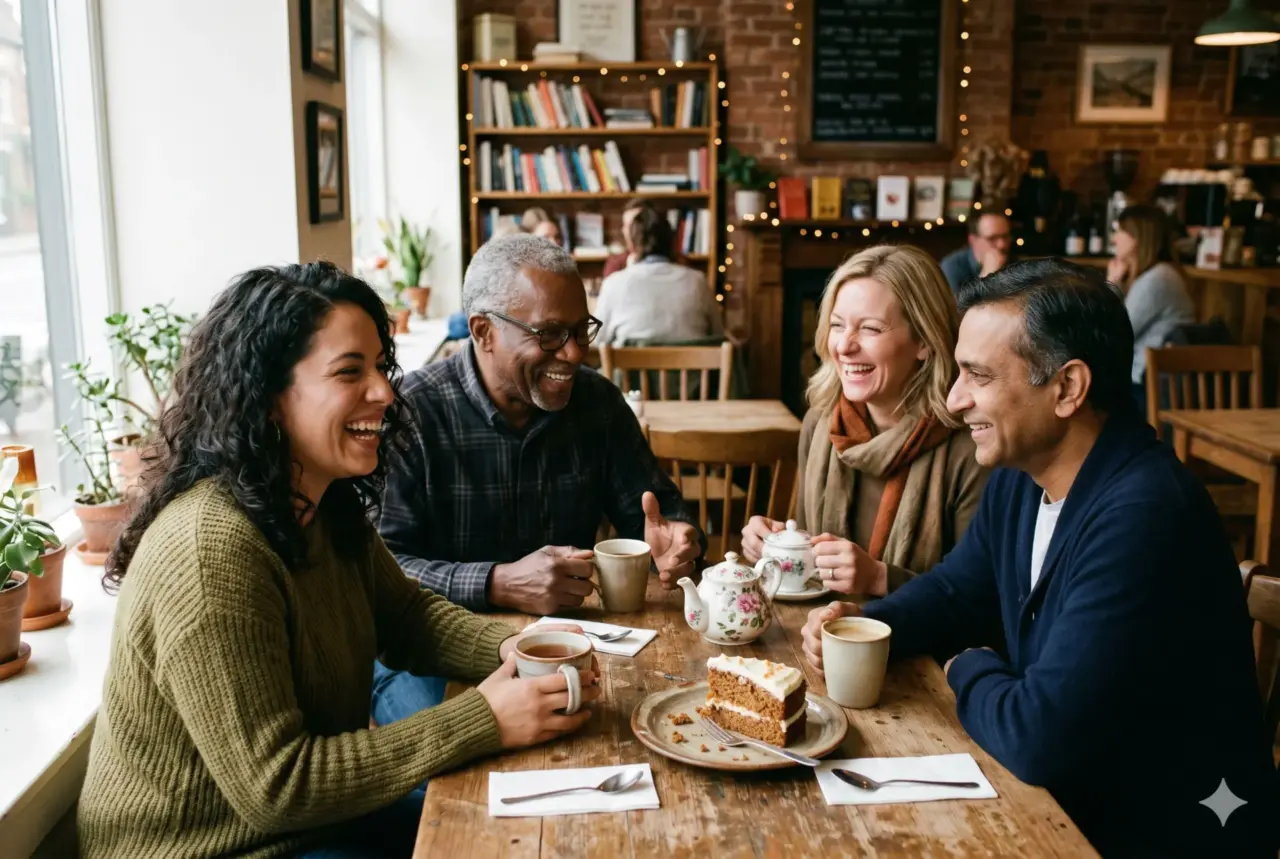
Death Cafés offer a rare opportunity to engage with those questions in a communal, human way. They remind us that while death is universal, our thoughts and feelings about it are deeply personal—and worth sharing.
Final Thoughts
Death Cafés aren’t about dwelling on death—they’re about making space for it in conversation, so it doesn’t remain hidden or feared. In doing so, they invite a subtle but powerful shift: when we acknowledge that life is finite, we often begin to approach it with greater intention. And sometimes, all it takes to start that shift is a cup of tea, a slice of cake, and a willingness to talk about the one thing we all have in common. Your community may already be running Death Cafés!
I am available as a moderator or host for Death Cafés. For more information or to collaborate on establishing a Death Café, please contact me through the webform.
Download My Free End-of-Life Glossary
This comprehensive guide will help you navigate the often unfamiliar terminology associated with end-of-life discussions. You’ll also receive valuable insights about once a month. No spam ever; unsubscribe anytime. Download your free glossary today.
