

Facets of Grief


In my work as a death doula, I sit with people in some of the most tender and heart aching moments of their lives. Most – if not all – of my clients have to confront grief at one point or another. It shows up differently for every person, every loss, and every season of life. We don’t just grieve when a person we love dies. We grieve the loss of a pet (sometimes more than we grieve some people in our lives). We grieve job loss, lost opportunities and lost items. We grieve our old selves or that we didn’t transform into the new selves we wanted to be. We may be grieving the loss of a grandparent, and then all of a sudden find ourselves crying over the death of a friend, and wonder how we went from crying about one person to crying about a different person in the same breath.
In this blog article, I’ll talk about a few of the different types of grief, and then illustrate a way to “see” grief that really made sense to me.
The Different Types of Grief
We are used to talking about grief as a “lump sum” feeling. In fact, grief has many facets and nuances. I have listed some different types of grief below. Do you recognize any of them? If you recognize or have experienced more than one type of grief, did or does the grief feel uniform across the spectrum? Or, do they feel different, and manifest in different ways? There is no “right” answer.
Acute (or “Normal”) Grief
This is the kind of grief most people recognize. It often arrives in waves—deep sadness, longing, anger, confusion, even moments of numbness. Many of the people I work with worry they’re grieving “wrong,” but what they’re feeling is a natural response to loss. Acute grief can be intense, especially in the beginning, and it softens over time.
Anticipatory Grief
I see this often when someone is caring for a loved one who is dying. Grief begins before the death itself, as people mourn what is already changing and what they know is coming. Anticipatory grief can carry complicated emotions—sadness mixed with love, exhaustion, guilt, and sometimes even relief. All of it belongs. This grief is the feeling you have when you know your grandmother will pass away before she meets her great-grandchild, or when you think of things you wanted to do with a loved one that you will never get to do.
Complicated Grief
Sometimes grief doesn’t ease with time and instead feels stuck or overwhelming. People experiencing complicated grief may feel unable to move forward, as though the loss is constantly present and consuming. This is not the kind of grief people can usually handle on their own. If you relate to this kind of grief I strongly urge you to see extra support—especially professional support.
Disenfranchised Grief
This is grief that isn’t openly acknowledged or supported by society. A mother who has lost a child to drug use might feel both acute grief AND disenfranchised grief. People can be cruel and not recognize someone’s deep grief of a loved one if the deceased has been involved in criminal activity. Grieving a marriage when everyone says you should have left that person years ago can be disenfranchising, because there won’t be as much empathy. When grief isn’t validated, it can feel incredibly isolating. Just often remind clients that just because others don’t see the loss doesn’t mean it isn’t real. We can support people experiencing disenfranchised grief by remembering that the deceased was someone’s child, sibling, aunt or uncle, nephew or niece and so on.
Cumulative Grief
Life doesn’t always give us time to grieve one loss before another arrives. Cumulative grief builds when losses stack up—deaths, transitions, health changes, or endings—until the emotional weight becomes heavy. Many people don’t realize how much they’re carrying until they finally pause. I work with many people experiencing cumulative grief. Like complicated grief, it can be very difficult to move past cumulative grief without professional support.
Delayed Grief
Some people stay in survival mode for months or years after a loss. Delayed grief may surface later, often when life becomes quieter or a new loss reopens old wounds. When this happens, it can feel confusing or even frightening, but it’s simply grief asking to be acknowledged. I experience delayed grief regularly: I may be very professional and “keep it together” over the course of several clients dying, and then have a day where I can’t even function, and need a good cry, remembering all of the people I met. I’ve learned to recognize when the floodgates are about to open and I give myself the time and space to let it out.
Traumatic Grief
When a death is sudden, violent, or shocking, grief can intertwine with trauma. Along with sorrow, people may experience anxiety, intrusive memories, or a sense that the world no longer feels safe. This type of grief often needs extra gentleness and specialized support.
Living With Grief, Not “Fixing” It

One of the most important things I share with clients is this: grief is not something to get over—it’s something we learn to carry. Dealing with grief begins by allowing it to exist, without judgment or timelines. Talking about the person who died, telling their stories, and speaking their name can be incredibly healing. Quiet rituals, moments of remembrance, or simply being witnessed in your pain can help assuage the ache of grief.
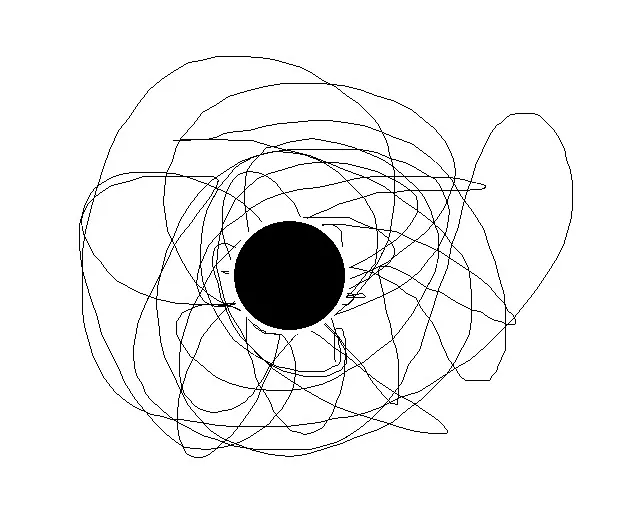
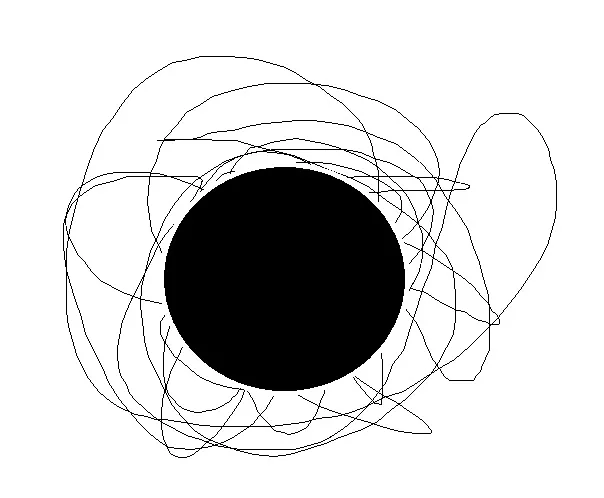
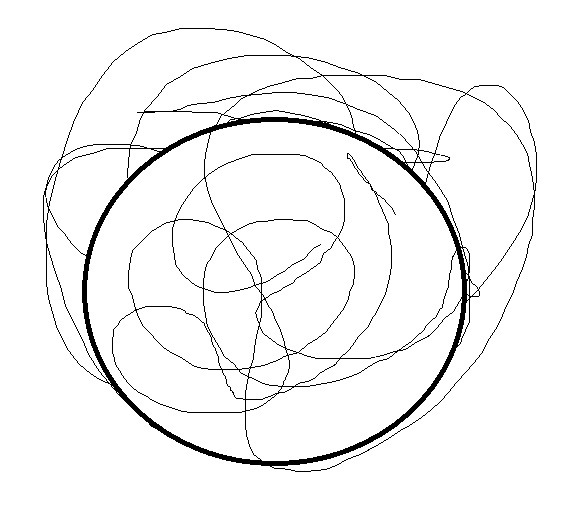
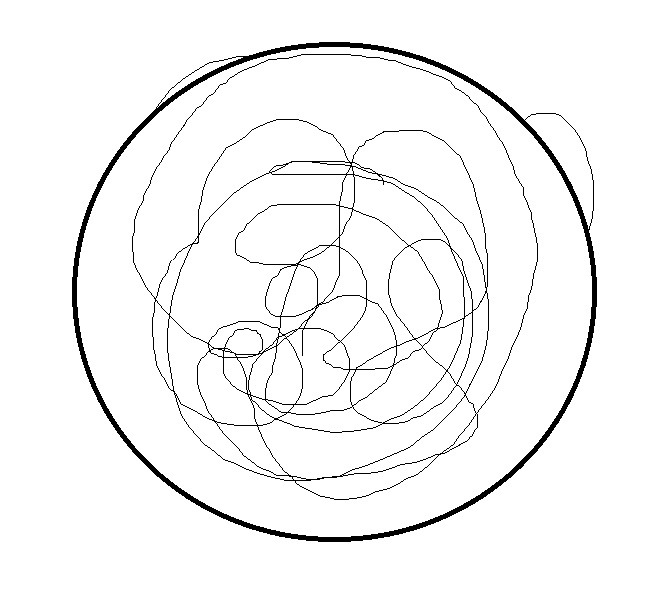
The best explanation of grief I have ever seen is a scribble. I pull out this scribble every change I get. If anyone knows the original author of this concept, please contact me so I can credit them.
Initially, the grief (the scribble) is consuming. You are stuck in the middle of it, and you can’t see a way out. Nothing makes sense any more (Fig A):
After a time, you get a bit of a chance to catch your breath, but you are still firmly in the middle of the grief. You may be able to do one or two things you would have thought impossible, before, but the loss is still always on your mind. You can’t shake it (Fig B):
One day, you’ll catch yourself laughing. You might enjoy yourself in a social situation. You feel guilty, and the moment was fleeting, but it happened. You might be able to remove personal items that belonged to the deceased, or you might be able to make a decision about the future without breaking down. The grief is still there and it’s still the same size, but you’ve found some edges (Fig C):
Finally – and there is no timeline for this – it can be days, months or even years (it’s different for each person), you have that grief, that same-sized grief, but you found a place within yourself to keep it safe. You are able to live around it. Every so often something will remind you of your grief, but for the most part you have learned to live with it, because you have to. (Fig D):
Some people can move through these stages fairly quickly. They may have spent a lot of time in the space of “anticipatory grief” and had time to say “good-bye” to their loved one. Sometimes an end to intense suffering lessens the grief because there is an element of relief. I can’t stress enough that the length of time you grieve has nothing to do with how much you loved someone. Almost all of us feel guilty for that first belly laugh after losing someone, or planning a vacation, or looking forward to starting a new hobby – no matter how long the mourning period has been. We have no need to feel guilty. We all process grief differently and at different rates. Most often, our deceased loved ones would want us to enjoy the life we have remaining to us, don’t you think?
Support matters. Whether that support comes from friends, family, grief groups, or professionals, no one is meant to grieve alone. I encourage people to listen to their bodies, rest when they can, and treat themselves with the same compassion they would offer a loved one. And when grief feels too heavy, too lonely, or too consuming, reaching out for help is not a failure—it’s an act of care.
Grief changes us. When held with kindness and support, it can also deepen our capacity for love, connection, and presence—both with ourselves and with others.

If you are struggling with grief, please don’t hesitate to contact me. I will work with you to find appropriate resources and support.
Download My Free End-of-Life Glossary
This comprehensive guide will help you navigate the often unfamiliar terminology associated with end-of-life discussions. You’ll also receive valuable insights about once a month. No spam ever; unsubscribe anytime. Download your free glossary today.
