
Loving Someone Who Has Lost a Spouse: Understanding a Love That Did Not End by Choice

I have known many people that have married again after losing a spouse. My grandmothers both took that journey, and one of my mom’s best friends did it more than once. I was too young to even consider the unique circumstances of love after loss, but now that I am a Death Doula working with people grieving the loss of their “ride or die”, I think about it a lot more.
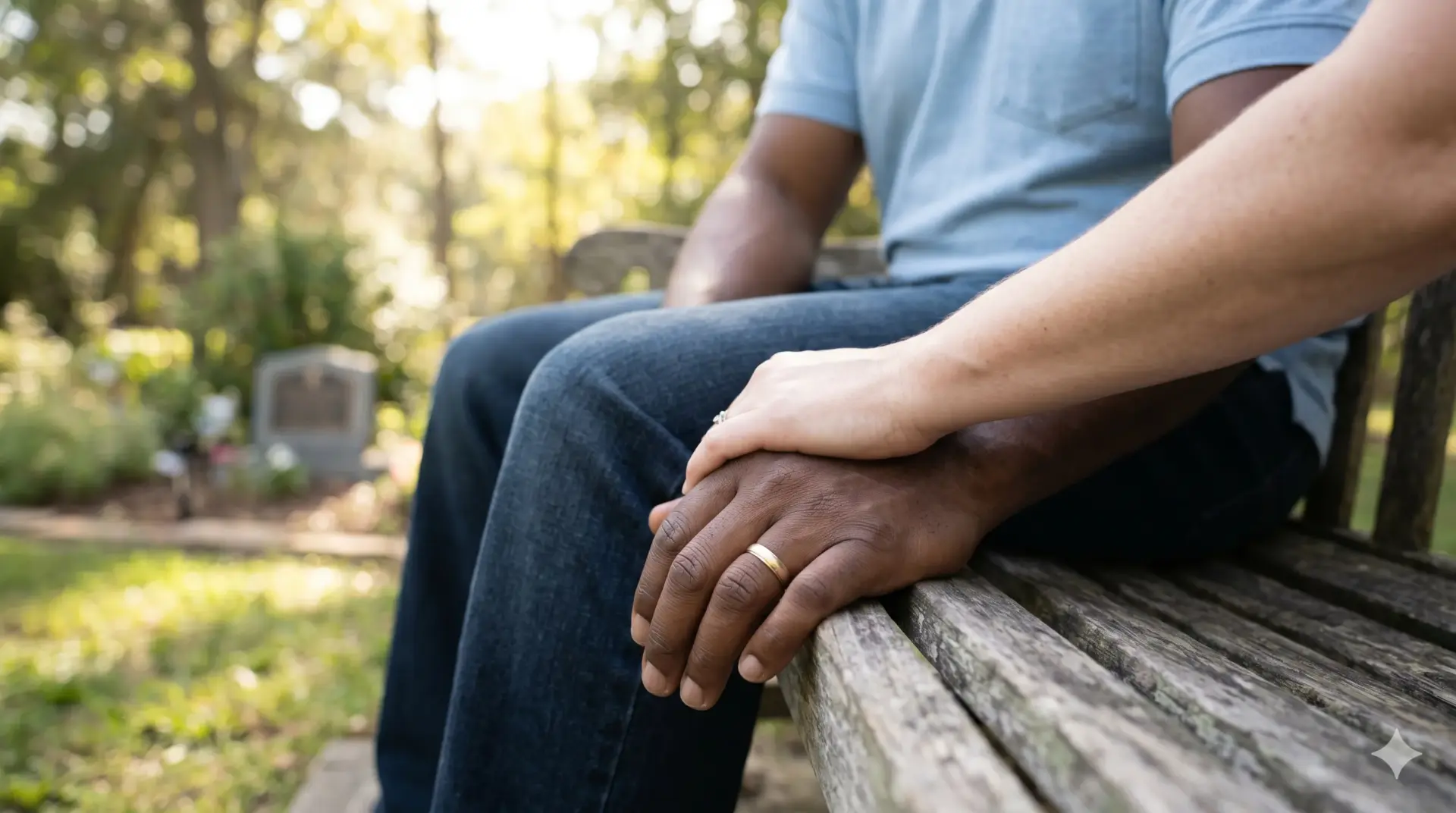
If you are the one dating someone that has lost a partner, you are not simply entering a new relationship. You are entering a life that has been shaped by profound love and profound loss at the same time. The previous relationship doesn’t end emotionally because a death has occurred. The love often continues for the rest of the surviving spouse’s life. For the new romantic partner there can be some confusing emotions and considerations:
- How do I honor their past relationship without feeling invisible?
- Is it normal that they still grieve?
- What do I do when their late spouse is still part of conversations, traditions, or memories?
- How do we build something new without erasing what came before?
These are real and valid questions.
Making space for a life that a widow, widower or life partner had before they met you, and the grief they carry, can transform the relationship from one of quiet competition into one built on maturity, compassion, and emotional security.
A Relationship Interrupted, Not Broken
Most breakups happen because something in the relationship stopped working. In those types of relationships, the desire to see, hear or talk to that person again diminish significantly or completely. The love-bond is broken.
Death is different. When a beloved spouse dies, the bond is interrupted by an unwanted tragedy – whether it is sudden, or as a result of months or years of illness.
That distinction matters. Surviving spouses may eventually start to navigate a world where they still love the person who died and where they are ready to fully love someone new. In our cultural lexicon and in our stories, we are raised to believe that there is only one “true love”, and to love anyone else is a betrayal. But love is not a finite resource where caring about one person diminishes another.
I used to explain to my children that I have an infinite amount of love for each of them. Everyone gets their own “bank account” of love that doesn’t draw from someone else’s. And the bank account is never empty. Two loves (and many more!) CAN and DO exist in our lives, all the time.
In healthy relationships after loss, the goal is not to replace the deceased spouse. It is to create a new and entirely different relationship alongside a life story that already exists. And yes – there are many things a grieving person can do to let their new partner know they are loving them fully and embracing a new life. I hope to write about those considerations in a future blog.
The Late Spouse Is Part of the Story
For widows and widowers, memories of a late spouse are often woven into everyday life.
There may be:
- Stories that come up naturally
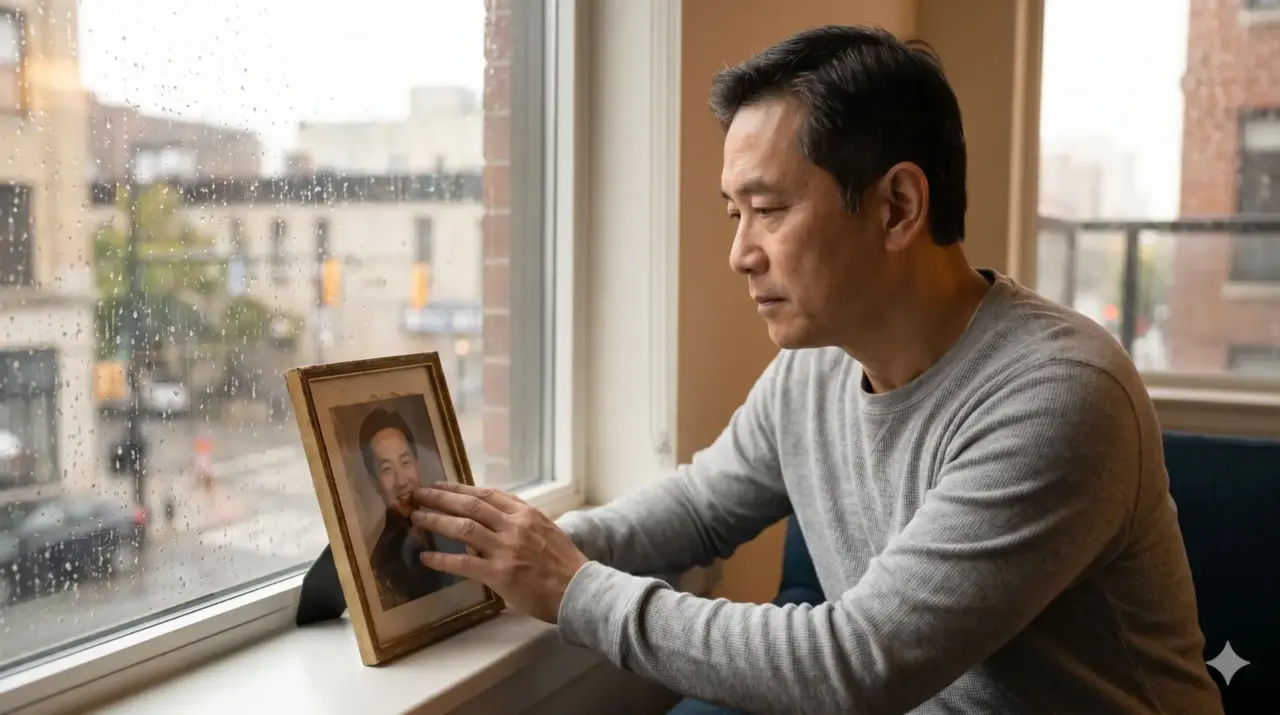
- Photos in the home
- Special dates that remain emotional
- Family traditions tied to the person who died
- Ongoing relationships with in-laws or mutual friends
- Grief that resurfaces (grief has its own schedule)
This is not necessarily a sign that someone is “stuck” in the past. It is often a sign that they loved deeply, and that is a good sign – that capacity to love. Asking someone to put away photos or not take time for themselves for special dates is like asking them to erase a part of themselves. It doesn’t matter if the previous relationship lasted five years or fifty, there were lives intertwined for a period that can’t be separated.
Jealousy Is Understandable — But Harmful
I have encountered people who are jealous of the deceased partner – people who compete with a ghost.These feelings can create insecurity, comparison, or resentment.
But acting from that jealousy usually damages the relationship. Jealousy shows up with statement or questions like:
- “Stop talking about them.”
- “Why do you still keep their pictures?”
- “You need to move on.”
- “Do you love them more than me?”
- “Was sex/intimacy better with them?”
Forcing responses and answers to these accusations will put the grieving partner into an impossible position. The pressure placed on them to deny their past or adjust their responses for a new partner’s comfort can create shame, loneliness and emotional withdrawal. In other words, it won’t end well. A mature relationship does not demand emotional amputation from the past. After all, our lived experience shapes us into the people we are now. If you love someone who has lost a partner, they are loveable because they grew through their previous relationships and past experiences. How can we possibly cut that away?
Loving Someone Through Grief Requires Emotional Security
One of the healthiest things a new partner can do is allow grief to exist without interpreting it as rejection or competition.
Fresh waves of grief, tears, moments of nostalgia, or rituals marking special days from the past are not automatically signs that the current relationship is lacking.
A secure partner understands:
- Memories are not betrayal
- Sadness is not disloyalty
- Continuing bonds are normal
- Healing does not require forgetting
Ironically, the more accepted grief feels, the less threatening it usually becomes within the relationship. New partners can make space for the memory of the deceased by helping to create a small corner or “ofrenda” where a photo of the deceased can be prominent, or special items belonging to the deceased can be laid out.
New partners can maintain their dignity by never speaking badly of the deceased, and by accommodating fond memories of the deceased at important anniversaries or life events.
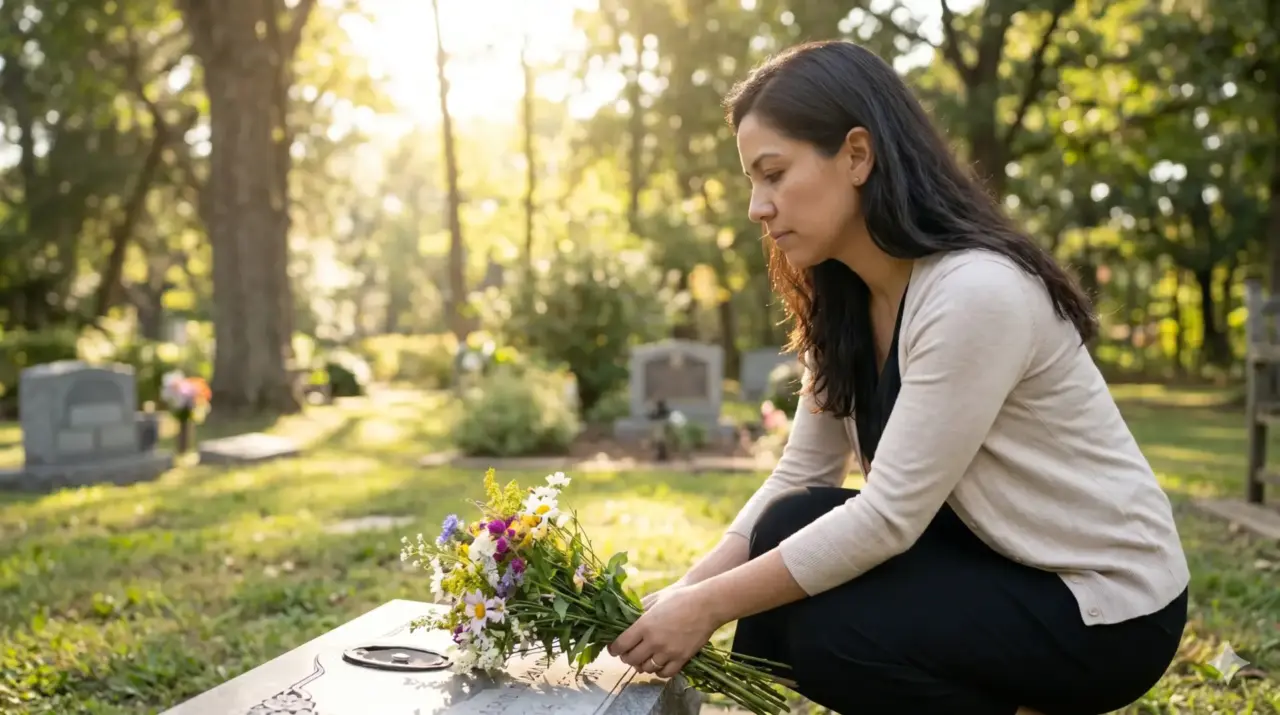
Let’s imagine that it is the five year anniversary of the partner’s death. The grieving partner and their parents (deceased partners in-laws, maybe now your in-laws) want to visit the resting place with flowers. You are not invited. Or, you are invited, but you don’t want to go. Instead of ruminating on whether or not you should have been invited, or forcing yourself to go if you really don’t want to, offer to stay at home and prepare a light meal or coffee for their return. This is a supportive solution that honours the unique relationship these people had with the deceased, long before you were present. There are many moments of grief that you won’t be invited into, and that is OK. Holding space is often the most loving thing you can do.
What Actually Helps

Allow Open Conversation
A grieving partner should not have to hide memories to protect someone else’s insecurity.
Make space to ask about the deceased partner – their likes and dislikes, what they found humorous, what their special talents were. Creating emotional safety around these conversations builds trust.
If you find that the conversation heads into the direction of comparison, you should be able to say that comparisons are not appropriate and ask for the conversation to go in a different direction. It is this kind of honesty that will build a firm foundation for the new relationship.
Instead of silently comparing yourself, ask gentle questions like:
- “What do you miss most about them?”
- “What feels hardest around anniversaries?”
- “How can I support you when grief comes up?”
Curiosity creates connection. Defensiveness creates distance.
Build New Traditions Together
Honoring the past and building the future are not opposites. Healthy relationships after loss create new memories, routines, inside jokes, celebrations, and rituals together.
The goal is not to live in the shadow of the past, but to create something meaningful in the present. In a different blog I will talk about things that the grieving partner needs to recognize when building a new relationship. Changes will happen. Maybe it involves moving to a new home where you can start a new life together, or changing the furniture and decor in an existing home. New hobbies and activities and new friendships need to develop too. A grieving partner that wants their life to stay the same – with the same environment, friendships (of course maintaining old friendships, but making room for new ones) and traditions – is not ready for a new relationship.
Words matter when developing a new relationship. Many grieving people dislike the phrase “move on” because it sounds like abandoning the person who died.
A healthier idea is moving forward.
Forward allows someone to carry love, memory, and grief with them while still embracing life and connection again.
A Different Kind of Love
Relationships after loss can be incredibly deep because grief often changes people profoundly.
Many widows and widowers learn how fragile life is, how valuable connection is, and how heartbreaking it is to lose someone they love. Because of this, they may be able to love more intentionally, and appreciate things other partners would not.
You may find yourself in a deep, enduring love where no small thing is taken for granted.
Final Thoughts
If you love someone who has lost a spouse or partner, remember this:
You do not need to erase the dead to be deeply loved by the living. The healthiest relationships after loss are not built on competition with the past. They are built on respect for the full human experience of love, grief, memory, and hope.
A person who still carries love for someone they lost is not incapable of loving again. In many cases, they understand the value of love more clearly than ever before.
And when both people approach the relationship with honesty, patience, and emotional maturity, something beautiful can grow — not in place of the past, but alongside it.
Note: Special thanks to the individuals who have reviewed and validated this article prior to publication, based on their own grief journey.
Download My Free End-of-Life Glossary
This comprehensive guide will help you navigate the often unfamiliar terminology associated with end-of-life discussions. You’ll also receive valuable insights about once a month. No spam ever; unsubscribe anytime. Download your free glossary today.
